







Introduction
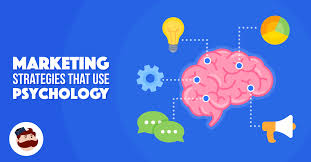
The psychology of marketing is the study of how human behavior, emotions, and thinking affect buying decisions. Businesses use this knowledge to attract customers, influence choices, and increase sales. Understanding consumer behavior helps marketers create effective strategies.
How Colors Affect Decisions
Colors play an important role in marketing. For example, red can create urgency, blue builds trust, and green represents eco-friendliness. Choosing the right color in advertisements, packaging, and websites can influence customer decisions.
The Power of Words and Messages
Marketing messages use psychology to persuade customers. Words like “limited offer,” “exclusive,” or “free” trigger emotions and motivate people to act quickly. Clear and positive messages build trust and interest.
Social Proof and Influence
People tend to follow others’ choices. Reviews, testimonials, and influencer endorsements encourage customers to buy products that others approve of. Social proof creates credibility and reduces hesitation.
Scarcity and Urgency
Limited-time offers or limited stock create a sense of urgency. Customers feel they might miss out, which motivates them to purchase quickly. Scarcity is a common psychological tactic in marketing.
Personalization and Customer Connection
Marketing that addresses individual needs and preferences makes customers feel valued. Personalized emails, recommendations, and ads improve engagement and loyalty.
Conclusion
The psychology of marketing helps businesses understand why people buy and how to influence their choices. Using colors, words, social proof, scarcity, and personalization effectively creates stronger connections with customers and drives sales. Ethical use of marketing psychology benefits both businesses and consumers.