







NFT profile pictures have changed the way people show their identity online. A profile picture is no longer just a simple image. For many users, it can represent personality, community, status, interests, and digital ownership. This trend became popular through social media platforms, online games, and Web3 communities.
An NFT profile picture usually comes from a digital collection. Each image has unique traits, such as different clothes, backgrounds, faces, accessories, or colors. People buy, collect, and use these images as their online identity. Some users choose serious artwork, while others prefer cartoon characters, animals, robots, or cute black cat icons that match their personal style.
What Are NFT Profile Pictures?
NFT profile pictures, also known as PFP NFTs, are digital images connected to blockchain technology. NFT means non-fungible token. This means that each token has a unique digital record that helps prove ownership.
A person may own an NFT image and use it as a profile picture on social media. The blockchain record can show which wallet owns that NFT. However, owning an NFT does not always mean the owner has full copyright over the artwork. The rights depend on the rules created by the NFT project.
Popular NFT profile pictures often feature animals, pixel characters, fantasy creatures, or illustrated people. Each collection usually includes many images with different features. Some traits may be common, while others may be rare.
How NFT Profile Pictures Build Social Identity
People have always used clothes, hairstyles, cars, and accessories to express themselves. Online users do something similar with profile pictures. An NFT image can show how a person wants to be seen in a digital space.
For example, a user may choose a bold-looking character to show confidence. Another person may select a friendly cartoon animal to appear fun and approachable. Someone involved in gaming may use a futuristic avatar, while an art lover may choose a hand-drawn NFT.
These images help users create a clear social identity. When people use the same NFT across different platforms, others can recognize them more easily. This creates a consistent digital personality.
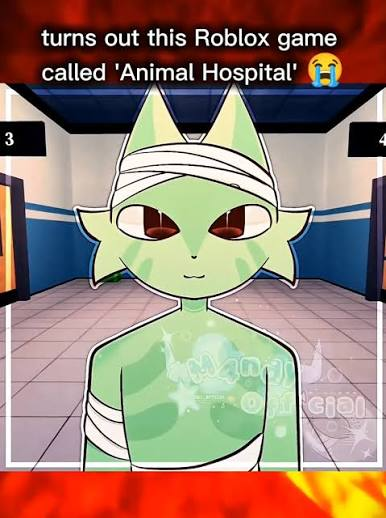
Discover the Best Teto Profile Pictures featuring beautiful and memorable designs with different expressions, poses, and artistic styles. Choose from cute close-up portraits, colorful illustrations, aesthetic edits, and creative character artwork. These profile pictures are perfect for fans who want to add a fun and distinctive touch to their social media, gaming, or messaging profiles.
NFT Communities and Online Belonging
NFT profile pictures are also connected to online communities. Owners of the same collection may join private groups, attend online events, enter chat rooms, or take part in project voting.
Using an NFT from a certain collection can show that a person belongs to that community. It works like a digital membership badge. People may connect because they own similar artwork or support the same project.
This sense of belonging is one reason NFT profile pictures became popular. Many users do not buy them only for the image. They also value the social connections, events, benefits, and shared culture linked to the collection.
Digital Status and Personal Branding
Some NFT profile pictures became status symbols because of their price, rarity, or popularity. A rare NFT may attract attention in the same way that a luxury watch or designer outfit does in the physical world.
Business owners, artists, influencers, and Web3 professionals may also use NFT profile pictures for personal branding. A unique image can make their account more memorable. It may help them stand out in crowded social media feeds.
However, expensive NFTs do not always create a strong identity. A person can build a better online image through useful content, honest communication, and consistent activity. The profile picture supports the brand, but it does not replace trust or quality.
The Role of Rarity and Traits
NFT collections often use a rarity system. Certain backgrounds, clothes, eyes, hats, or accessories may appear less often than others. Rare traits can increase interest and may affect the market value of an NFT.
Some buyers search for rare features because they want a more unique profile picture. Others choose images based only on appearance. They may prefer an NFT that looks attractive, funny, cute, or similar to their real personality.
Rarity can make an image feel special, but personal meaning can be just as important. A common NFT may still become valuable to its owner if it represents a memory, community, or personal goal.
Risks of Using NFT Profile Pictures
NFT profile pictures also come with risks. Prices can rise and fall quickly. A collection that is popular today may lose attention later. Buyers should not assume that every NFT will increase in value.
Scams are another major concern. Fake websites, copied collections, stolen images, and false social media accounts can trick users. People should check official project details before connecting a crypto wallet or buying an NFT.
Users must also protect their wallet information. Private keys and recovery phrases should never be shared. If a wallet is hacked, the owner may lose access to valuable digital assets.
Copyright and Ownership Questions
Many people misunderstand NFT ownership. Buying an NFT usually gives ownership of the token, but it may not provide full rights to the artwork.
Some NFT projects allow owners to use the image for products, business branding, or commercial work. Other projects limit how the artwork can be used. Buyers should read the project’s license terms carefully.
This is especially important for users who plan to create merchandise, advertisements, games, or branded content using their NFT profile picture.
The Future of NFT Profile Pictures
NFT profile pictures may become more useful as digital worlds continue to grow. In the future, people may use the same digital identity across games, virtual events, social platforms, and online workplaces.
Some NFT images may also become animated or three-dimensional avatars. Users could control facial expressions, clothes, movements, and accessories. This may create a stronger connection between online identity and digital ownership.
Social platforms may also add more tools to verify NFT ownership. Verified profile pictures could help users prove that they own the digital item they display.
Final Thoughts
NFT profile pictures combine art, technology, community, and self-expression. They allow users to build a visual identity and connect with people who share similar interests. For some users, they are digital collectibles. For others, they are community passes, status symbols, or personal branding tools.
Their long-term value depends on more than price. Strong communities, useful features, trusted creators, and clear ownership rights all matter. As online life continues to develop, NFT profile pictures may remain an important part of how people present themselves in digital spaces.