





Many people in the Philippines confuse the Professional Regulation Commission (PRC) and the Philippine Statistics Authority (PSA) because both issue important government documents. However, these agencies have completely different responsibilities and serve different groups of people. Understanding the difference can save you time, reduce confusion, and help you prepare the correct documents for employment, education, licensing, and legal transactions.
Whether you are applying for a professional license, requesting a birth certificate, or completing government requirements, knowing which agency to visit is essential. This guide explains the major differences between PRC and PSA, the services they provide, and when you should contact each one.
What Is PRC?
The Professional Regulation Commission (PRC) is the government agency responsible for regulating licensed professions in the Philippines. It oversees various professional boards, conducts licensure examinations, and issues professional licenses to qualified individuals.
PRC ensures that professionals meet national standards before they are allowed to practice their chosen careers.
Common Services Offered by PRC
- Professional licensure examinations
- Issuance of Professional Identification Cards (PIC)
- Renewal of professional licenses
- Verification of licensed professionals
- Registration of successful board exam passers
- Certification and authentication of professional records
Professions regulated by PRC include:
- Engineers
- Nurses
- Teachers
- Architects
- Accountants
- Dentists
- Pharmacists
- Physicians
- Criminologists
- Psychologists
If your concern involves professional licensing or board examinations, PRC is the agency you need.
What Is PSA?
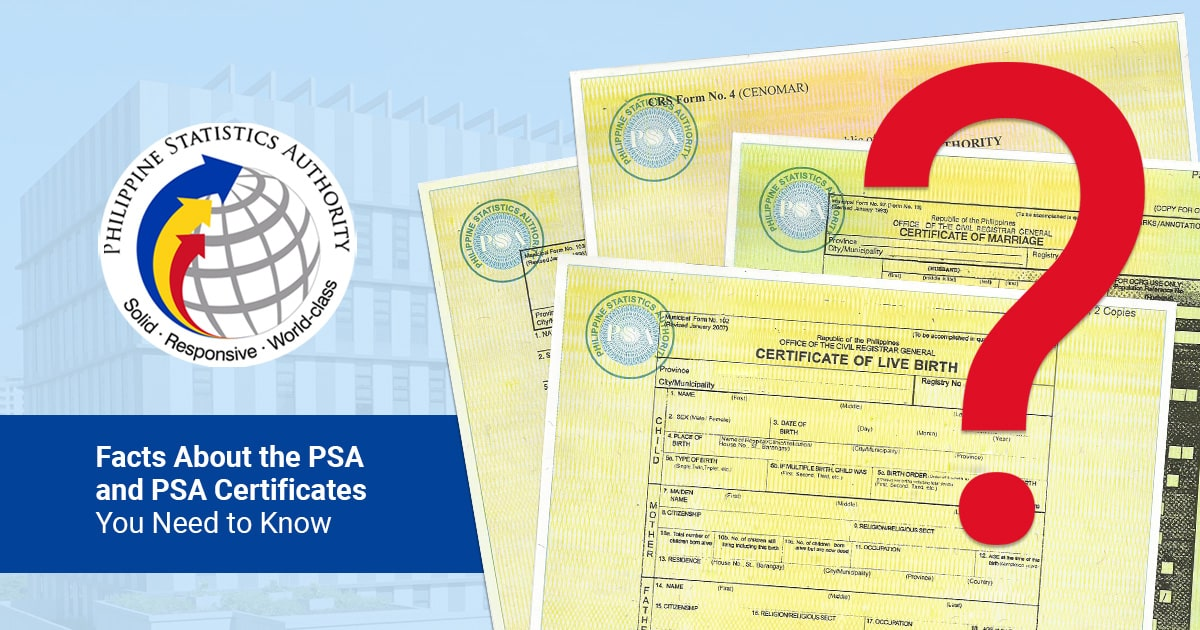
The Philippine Statistics Authority (PSA) is the country’s central statistical authority and civil registry agency. It is responsible for maintaining official records such as birth certificates, marriage certificates, death certificates, and the Certificate of No Marriage (CENOMAR). These documents are widely required for government services, employment, education, passport applications, and other legal transactions. Individuals who need civil registry documents can also use the PSA crs appointment system to schedule appointments and manage eligible PSA transactions more efficiently, helping reduce waiting times and improve the application process.
PSA provides certified copies of important personal documents used for identification and legal purposes.
Common Services Offered by PSA
- Birth certificate issuance
- Marriage certificate issuance
- Death certificate issuance
- Certificate of No Marriage (CENOMAR)
- Civil registry corrections
- National statistical reports
- Population census information
PSA documents are widely required for:
- Passport applications
- School admissions
- Employment
- Visa processing
- Marriage registration
- Government transactions
Major Difference Between PRC and PSA
Although both agencies issue official documents, they have completely different responsibilities.
| Feature | PRC | PSA |
| Full Name | Professional Regulation Commission | Philippine Statistics Authority |
| Main Purpose | Regulates licensed professions | Maintains civil registry and national statistics |
| Primary Users | Licensed professionals | All Filipino citizens |
| Main Documents | Professional License, PRC ID | Birth Certificate, Marriage Certificate, CENOMAR |
| Conducts Exams | Yes | No |
| Maintains Civil Records | No | Yes |
| Professional Regulation | Yes | No |
When Should You Visit PRC?
You should visit PRC if your concern relates to professional licensing.
Examples include:
- Taking a board examination
- Applying for professional registration
- Renewing your PRC ID
- Verifying professional licenses
- Requesting board exam certifications
- Changing professional registration details
Fresh graduates entering regulated professions usually interact with PRC after passing their licensure examinations.
When Should You Visit PSA?
PSA is the correct agency whenever you need official civil registry documents.
Common situations include:
- Applying for a passport
- Registering a marriage
- Applying for a job
- Enrolling in school
- Processing immigration documents
- Claiming government benefits
PSA-certified documents are considered official records recognized by government agencies nationwide.
PRC Documents vs PSA Documents
The documents issued by each agency serve different purposes.
PRC Documents
- Professional Identification Card (PRC ID)
- Board Rating Certificate
- Board Passing Certificate
- Certificate of Registration
- Good Standing Certificate
PSA Documents
- Birth Certificate
- Marriage Certificate
- Death Certificate
- Certificate of No Marriage (CENOMAR)
- Advisory on Marriages
These documents cannot replace one another because they serve entirely different legal functions.
Can PRC and PSA Documents Be Required Together?
Yes.
Many employers require documents from both agencies, especially for licensed professionals.
For example, a newly licensed nurse applying for a hospital job may need:
- PSA Birth Certificate
- PSA Marriage Certificate (if applicable)
- PRC License
- PRC Board Certificate
- Valid government-issued identification
- Employment requirements requested by the employer
Using documents from both agencies ensures that employers can verify both your identity and professional qualifications.
How to Apply for PRC Services
PRC has modernized many of its services through an online appointment system.
Applicants generally need to:
- Create an online account.
- Schedule an appointment.
- Upload or provide required information.
- Pay the required fees.
- Visit the selected PRC office.
- Complete verification.
- Receive the requested document or service.
Many transactions now require advance booking to reduce waiting times.
How to Apply for PSA Documents
PSA also provides convenient ways to request documents.
The general process includes:
- Complete an application.
- Provide accurate personal information.
- Pay the applicable fee.
- Wait for processing.
- Receive the certified document.
Depending on the service, documents may be claimed personally or delivered through authorized channels where available.
Online Appointment Systems
Both agencies encourage applicants to use online scheduling systems before visiting their offices.
For PRC transactions, booking appointments online has become the standard procedure for many services. Likewise, PSA also offers appointment and request options to improve efficiency and minimize long queues.
If you are preparing documents for professional registration or civil records, learning how the psa crs appointment system works can help you secure your preferred schedule and avoid unnecessary delays.
Which Agency Do You Need?
The answer depends entirely on your purpose.
Choose PRC if you need:
- Professional license
- Board examination
- License renewal
- Professional certifications
- Verification of licensed professionals
Choose PSA if you need:
- Birth certificate
- Marriage certificate
- Death certificate
- CENOMAR
- Civil registry documents
- National statistical records
Understanding the distinction helps prevent unnecessary trips and ensures you prepare the correct requirements.
Common Misunderstandings
Many first-time applicants mistakenly believe PRC can issue birth certificates or that PSA can verify professional licenses.
In reality:
- PRC does not issue civil registry documents.
- PSA does not regulate professions or issue professional licenses.
- Both agencies have separate offices, online systems, and application procedures.
Checking the correct agency before applying saves both time and effort.
Although PRC and PSA are both important government agencies in the Philippines, they serve very different purposes. PRC focuses on regulating licensed professionals, administering licensure examinations, and issuing professional credentials. PSA, on the other hand, is responsible for maintaining civil registry records and producing official documents such as birth, marriage, and death certificates.
Knowing the difference between these agencies helps individuals complete government transactions more efficiently. Whether you are a student, a job seeker, a licensed professional, or someone processing legal documents, identifying the correct agency ensures a smoother application process and reduces unnecessary delays.