






The rapid growth of mobile technology has transformed the way people communicate, conduct business, and access essential services in the Philippines. Mobile phones have become indispensable tools for daily life, enabling everything from online banking and digital payments to social networking and e-commerce. However, this increased connectivity has also created opportunities for cybercriminals, scammers, and identity thieves. To address these challenges, SIM registration has emerged as a critical measure for enhancing security and protecting mobile users.
SIM registration requires mobile subscribers to provide accurate personal information when activating their SIM cards. This process helps establish accountability and makes it more difficult for criminals to use anonymous numbers for fraudulent activities. In the Philippines, SIM registration plays a significant role in safeguarding users from fraud, scams, and identity theft while promoting a safer digital environment.
Understanding SIM Registration
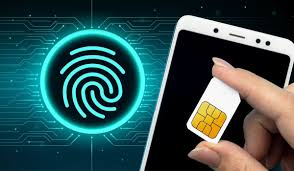
SIM registration is the process of linking a mobile phone number to a verified identity. Subscribers are typically required to submit valid identification documents and personal details to their telecommunications provider. Once verified, the information is securely stored and associated with the registered SIM card.
The primary goal of SIM registration is to reduce criminal activities conducted through unregistered or anonymous mobile numbers. By ensuring that every active SIM card belongs to a verified individual, authorities and telecommunications companies can better monitor and investigate unlawful activities.
The Growing Threat of Mobile Fraud
Mobile fraud has become increasingly common in recent years. Fraudsters use phone calls, text messages, and online messaging platforms to deceive individuals into sharing sensitive information or sending money. Common scams include:
- Fake prize notifications
- Banking and financial scams
- Investment fraud
- Loan scams
- Phishing attacks
- Identity theft schemes
Many of these scams are carried out using anonymous SIM cards, making it difficult for authorities to trace the perpetrators. SIM registration significantly reduces this anonymity, making fraud more challenging to execute.
How SIM Registration Deters Criminal Activities
One of the most important benefits of SIM registration is that it discourages criminals from using mobile networks for illegal purposes. When a SIM card is linked to a verified identity, fraudsters face a higher risk of being identified and prosecuted.
Criminals often rely on disposable SIM cards to conduct scams and then discard them after completing their activities. Registration requirements make this strategy less effective because each SIM card can be traced back to its registered owner. As a result, many potential scammers may think twice before engaging in fraudulent behavior.
Protecting Users from Identity Theft
Identity theft occurs when someone steals another person’s personal information and uses it for financial gain or other malicious purposes. Mobile numbers are frequently targeted because they are often connected to bank accounts, online wallets, social media accounts, and email services.
SIM registration helps reduce identity theft by establishing ownership of mobile numbers. If a criminal attempts to misuse a phone number or claim ownership of a SIM card, telecommunications providers can verify the legitimate owner’s identity through registration records.
This added layer of security helps protect users from unauthorized account access and financial losses.
Enhancing Financial Security
Mobile banking and digital payment platforms have become increasingly popular in the Philippines. Many users rely on their mobile numbers to receive one-time passwords (OTPs), transaction alerts, and account verification codes.
When SIM cards are registered, financial institutions gain greater confidence that the phone number belongs to the actual account holder. This reduces the likelihood of fraud involving stolen or anonymously acquired SIM cards.
The registration system also helps prevent SIM-related fraud schemes that target mobile banking users. By verifying subscriber identities, service providers can implement stronger security measures and protect customer accounts.
Supporting Law Enforcement Investigations
SIM registration provides valuable support for law enforcement agencies investigating fraud and cybercrime cases. When criminal activities involve mobile communications, registered subscriber information can help authorities identify suspects and gather evidence.
This capability improves the effectiveness of investigations and increases the likelihood of holding offenders accountable. It also serves as a deterrent, as criminals know that their actions are more likely to be traced.
By enabling faster and more accurate investigations, SIM registration contributes to a safer environment for all mobile users.
Encouraging Responsible Mobile Usage
Another benefit of SIM registration is that it promotes responsible use of mobile services. Knowing that their identity is linked to their phone number encourages users to comply with laws and regulations.
This accountability helps reduce various forms of abuse, including harassment, spam messaging, and fraudulent communications. As a result, mobile networks become more trustworthy and secure for everyone.
For example, users who register your Globe SIM card through official channels help strengthen the overall security of the telecommunications ecosystem while ensuring compliance with regulatory requirements.
Reducing Spam and Scam Messages
Unwanted spam messages and scam texts are common problems for mobile users. Fraudsters often send mass messages to thousands of recipients in hopes of deceiving a small percentage of victims.
SIM registration makes it easier for telecommunications companies to identify and block suspicious numbers. Registered subscriber information allows providers to investigate reports of spam activity more effectively and take appropriate action against offenders.
This contributes to a cleaner and safer communication environment, reducing the number of fraudulent messages reaching consumers.
Building Trust in Digital Services
As digital services continue to expand, trust becomes increasingly important. Consumers need confidence that their personal information and financial transactions are protected.
SIM registration helps build this trust by creating a more secure mobile ecosystem. Businesses, financial institutions, and government agencies can implement stronger authentication processes when they know that mobile numbers are linked to verified identities.
This increased trust encourages greater adoption of digital services, supporting economic growth and innovation throughout the Philippines.
Best Practices for SIM Card Security
While SIM registration provides important protection, users should also take additional steps to safeguard their information:
- Keep personal identification documents secure.
- Avoid sharing verification codes with anyone.
- Use strong passwords for online accounts.
- Enable two-factor authentication whenever possible.
- Be cautious of suspicious calls and text messages.
- Report fraudulent activities immediately to service providers.
- Regularly monitor financial and online accounts for unusual activity.
Combining these practices with SIM registration creates a stronger defense against fraud and identity theft.
Conclusion
SIM registration plays a vital role in protecting mobile users from fraud and identity theft in the Philippines. By linking SIM cards to verified identities, the system reduces anonymity, deters criminal activities, supports law enforcement investigations, and enhances the security of digital services.
As mobile technology becomes increasingly integrated into daily life, the importance of safeguarding personal information continues to grow. SIM registration serves as a practical and effective tool for creating a safer telecommunications environment while helping users protect their identities, finances, and online accounts. Through responsible participation and continued awareness, Filipinos can enjoy the benefits of mobile connectivity with greater confidence and security.